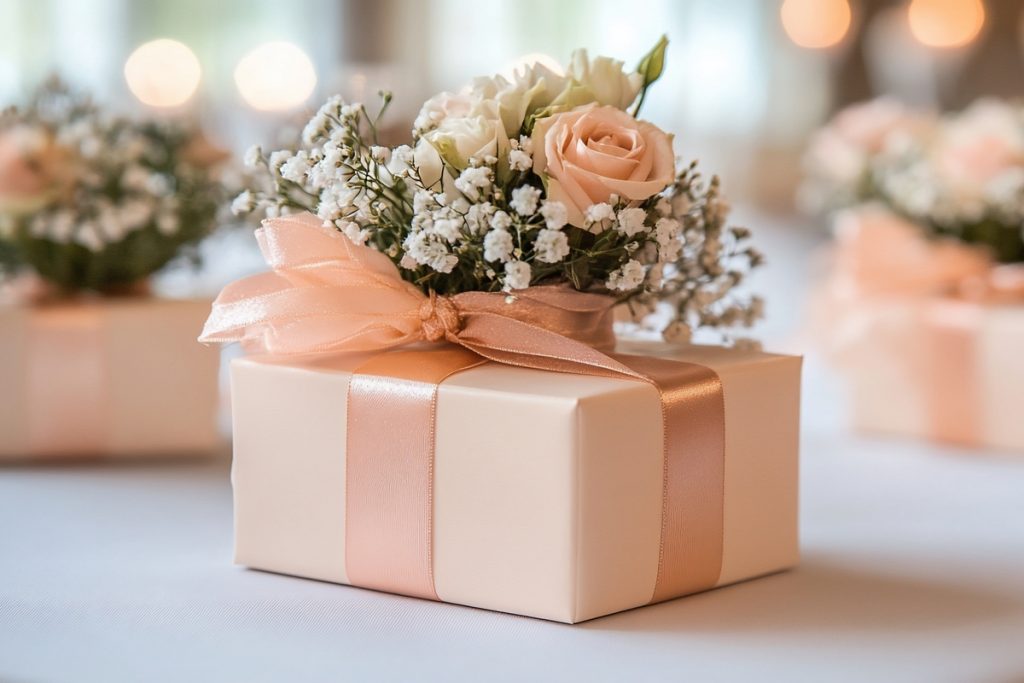
Weddings are among the most treasured milestones in a person’s life, a ceremony not only of love and unity but also of tradition, celebration, and shared joy. Among the many customs that surround this special day, the act of giving wedding presents remains one of the most enduring and emotionally significant.
More than just a transaction or obligation, wedding gifts are a timeless expression of support, appreciation, and goodwill. They tell stories of connection, symbolize the foundation of a couple’s new life together, and often become cherished items that travel through time with lasting sentimental value. This essay explores the cultural history, emotional resonance, and modern transformation of the wedding gift tradition, shedding light on why this age-old practice continues to thrive in today’s fast-evolving world.
The Historical Roots of Wedding Gifts
The tradition of giving wedding presents dates back centuries, even millennia, with deep roots in various cultures and societies. In ancient Rome and Greece, dowries were given by the bride’s family to the groom as a symbol of wealth and alliance between families. While not exactly “gifts” in the modern celebratory sense, these exchanges set a precedent for the idea that marriages are accompanied by meaningful transfers of possessions.
As societies evolved, so did the nature of these gifts. During the Middle Ages, wedding gifts became more communal, with villagers contributing livestock, food, or handcrafted goods to help the newlyweds establish their household. It was less about opulence and more about practicality, a reflection of the community’s role in supporting the young couple’s start in life. The wedding gift functioned as a tool for survival, unity, and shared prosperity.
By the 19th and early 20th centuries, particularly in Western culture, the concept of wedding presents had become more refined and romanticized. Registry systems began to appear, and items such as fine china, silverware, and linens became traditional gifts that represented both status and sentiment. The wedding present had firmly transitioned into a symbol of love and social ritual.
The Emotional Power of Giving and Receiving
At its core, a wedding present is not simply about the item itself, it is about the emotions it carries. Gifts are deeply symbolic acts of communication. When a friend or family member selects a wedding gift, they are expressing their feelings: their joy for the couple, their hope for their future, and their desire to be a part of this new journey.
Receiving a wedding present, on the other hand, can be a profoundly moving experience. Whether it’s a handmade quilt passed down from a grandmother or a personalized piece of art from a friend, gifts often carry stories that live beyond the wedding day. These items become physical reminders of the love and support that surrounded the couple as they embarked on their new life together. They are tangible artifacts of affection, often placed with care in the home, looked at with nostalgia, or used during meaningful milestones.
Moreover, gifts that reflect personal history, such as a recipe book filled with handwritten family recipes or a framed photo collage of the couple’s journey, hold immense sentimental value. They go beyond function and tap into memory, legacy, and deep personal connection. It’s not about price, but about presence and thoughtfulness.
Wedding Registries: A Modern Convenience
With the rise of consumer culture and digital technology, the wedding registry emerged as a way to streamline the gift-giving process. The concept is simple: couples create a curated list of items they need or want for their home, and guests can select gifts directly from that list. This approach has removed much of the guesswork and ensured that gifts are both desired and useful.
Registries have evolved dramatically. No longer limited to home goods from department stores, modern registries can include everything from travel experiences and subscriptions to honeymoon funds and donations to favorite charities. This shift reflects the changing values and lifestyles of couples today. Some may already live together before marriage and have what they need at home, so their registry may focus more on experiences or causes that matter to them.
Despite its practical nature, the registry has not diminished the emotional meaning behind wedding gifts. In fact, it enhances it. Guests can rest assured that their gifts are meaningful and appreciated, while couples have the opportunity to start their life together with exactly what they need.
Cultural Variations in Wedding Gifts
Around the world, different cultures have developed unique traditions when it comes to wedding presents. In Indian weddings, for example, gifts of gold jewelry are common and are considered both a blessing and a form of financial security for the bride. In Japanese weddings, guests often present a monetary gift in a special envelope called “goshugi,” which is carefully chosen based on the relationship and the formality of the wedding.
In African traditions, handmade crafts, woven fabrics, or livestock are often presented as symbols of respect and community wealth. In Scandinavian countries, heirloom gifts and practical items like handcrafted tools are commonly given, reflecting values of simplicity and longevity.
These cultural variations highlight one consistent truth: no matter where in the world a wedding takes place, gifts play a crucial role in expressing love, reinforcing social bonds, and celebrating union.
The Rise of Personalized and Handmade Gifts
In recent years, there has been a resurgence in the popularity of personalized and handmade wedding gifts. With platforms like Etsy and local artisan markets, guests now have access to a wide array of custom-made treasures that carry extra emotional weight.
Items such as engraved cutting boards, monogrammed linens, personalized photo albums, or a custom illustration of the wedding venue offer a level of uniqueness that mass-produced items often lack. These gifts are especially appreciated in an age where many couples prioritize individuality, meaning, and the story behind each possession.
Handmade gifts, such as quilts, scrapbooks, or even furniture, also reflect a time investment that speaks volumes. They are labors of love that embody the giver’s craftsmanship and affection. These kinds of presents become legacy items, often passed down through generations and infused with deep personal significance.
Gift Etiquette: Navigating Expectations with Grace
Though wedding gift-giving is rooted in generosity and love, it’s not without its own set of social expectations and unwritten rules. Questions like “How much should I spend?” or “Do I have to bring a gift if I can’t attend?” are common.
Traditionally, the value of a gift is often linked to the closeness of the relationship. While there is no fixed amount, many guests use their budget and the nature of their connection to the couple as a guide. Registry participation is encouraged but not required, and off-registry gifts that are thoughtful and well-chosen are always appreciated.
If a guest cannot attend the wedding, sending a gift is still considered a kind gesture, though not mandatory. What matters most is the intention behind the gift, not its cost or conformity to norms. A heartfelt note, a small token, or a contribution to the honeymoon fund can carry just as much meaning as a lavish present.
Couples, too, have their own etiquette to follow. Timely thank-you notes remain a non-negotiable sign of appreciation. Personalizing these notes to reference the specific gift and the giver’s presence (or support) adds a warm, respectful touch to the gesture of gratitude.
Wedding Gifts in the Digital Age
Technology continues to reshape how we approach wedding gifts. With online registries, digital RSVP systems, and mobile-friendly wedding websites, the process has become more seamless and accessible. Couples can link their registry directly to their wedding site, share updates with guests, and even include digital cash fund options for honeymoons, home renovations, or future family planning.
Crowdfunding-style gifting has become increasingly popular, allowing guests to contribute to a single large gift, like a dream trip or a down payment on a house. These innovations reflect modern couples’ priorities, which often lean toward experiences, investments, or sustainability rather than traditional homeware.
Additionally, eco-conscious couples might encourage secondhand gifts, ethical brands, or donations to environmental causes in lieu of physical items. This new frontier in gift-giving is a natural extension of evolving values and reflects how the tradition remains relevant by adapting to contemporary life.
Final Thoughts: A Tradition Rooted in Heart
Despite the evolution in style, method, and social context, the act of giving wedding presents remains a meaningful and enduring tradition. At its heart, it is about celebrating love, showing support, and helping build the foundation of a shared life. Whether it’s a luxury item from a registry, a handmade keepsake, a heartfelt letter, or a donation in the couple’s name, the spirit of giving is what truly counts.
As weddings continue to reflect the unique identities and values of each couple, so too will the gifts they receive. The beauty of this tradition lies in its adaptability and its emotional core. Wedding presents, in their many forms, tell a story, not just of the couple’s love for one another, but of the larger community that surrounds them, supports them, and walks with them into the next chapter of their lives.
In the end, wedding gifts are more than items. They are symbols of hope, vessels of memory, and gestures of gratitude that echo far beyond the ceremony itself. And as long as love is celebrated, the tradition of wedding presents will remain timeless.