
Wedding Invitation Wording
Wedding invitation wording is far more than just names, dates, and locations; it is the first expression of love and celebration your guests will see. The words you choose set the tone for the entire event and give a glimpse into the story you and your partner are about to share.
A carefully crafted invitation can evoke romance, elegance, and intimacy while also communicating essential details. Couples often find themselves overwhelmed by tradition, etiquette, and creativity when it comes to phrasing, but the key is balance, combining heartfelt sentiment with clear information.
In today’s weddings, invitations have evolved into deeply personal reflections of each couple’s journey. Some prefer the timeless formality of “requesting the honor of your presence,” while others embrace modern, playful language that reflects their personalities. No matter the style, the words chosen should feel authentic, sincere, and aligned with the wedding’s atmosphere.
This blog explores ten ways to make your wedding invitation wording truly speak love, guiding you through options that range from traditional elegance to poetic charm. Whether you envision a grand ballroom or an intimate garden gathering, the words you choose will be the first whisper of the beautiful day to come.

Traditional Wording with Timeless Grace
When couples envision a classic wedding, traditional wedding invitation wording often comes to mind. Rooted in centuries-old customs, this style is known for its formality and elegance. It usually follows a structured format, beginning with the names of the hosts, often the bride’s parents, followed by an invitation line such as, “request the honor of your presence.” This phrase, still widely cherished, evokes the sacredness of the ceremony.
Details about the ceremony and reception are then shared with precise attention to order, clarity, and grace. Traditional invitations work beautifully for formal church weddings, black-tie receptions, or events that lean into cultural customs. The appeal of this wording lies in its ability to convey dignity and respect while honoring family roles. At the same time, couples can subtly personalize by including meaningful verses, initials, or motifs.
Choosing traditional wording reassures guests that the day will be filled with formality and grandeur. While some may see it as “old-fashioned,” it remains a timeless choice that connects the present celebration with a long line of weddings before. By choosing traditional phrasing, you honor both heritage and love, creating an invitation that resonates with elegance across generations.

Romantic and Poetic Phrasing
For couples who want their invitations to overflow with feeling, romantic wedding invitation wording creates a beautiful introduction to their love story. This style often incorporates soft, poetic lines that emphasize love, devotion, and commitment. Rather than simply stating the facts, these invitations read like love letters, offering guests a glimpse into the couple’s emotions.
A phrase such as, “Together with hearts full of love, we invite you to share in our joy,” instantly communicates warmth and intimacy. Couples can also add lines from favorite poems, personal vows, or meaningful song lyrics to elevate the sentiment. Romantic invitations work especially well for garden weddings, sunset ceremonies, or venues with an enchanting atmosphere. They allow couples to create a dreamy first impression that mirrors the beauty of their union.
The charm of romantic wording is that it feels deeply personal, almost as if each guest is receiving a heartfelt letter. While still including all essential details, the poetic style transforms the invitation into a keepsake that friends and family may treasure long after the celebration. Love, after all, is the reason for the day, and the invitation should be the first declaration of that devotion.

Modern Minimalist Language
Today’s couples often prefer simplicity, making modern minimalist wedding invitation wording a popular trend. Instead of lengthy phrases or traditional structures, this style focuses on clean lines, direct communication, and a contemporary aesthetic. Phrases such as, “Join us as we say ‘I do,’” or, “You’re invited to celebrate the marriage of…” reflect a relaxed yet stylish approach.
Minimalist invitations usually avoid unnecessary flourishes, favoring streamlined typography and neutral designs. This simplicity speaks volumes, showing that love is straightforward and needs no elaborate decoration. Modern couples often use their own names first rather than listing families, emphasizing individuality and equality.
For intimate weddings, elopements, or chic city celebrations, minimalist wording fits perfectly. Guests immediately sense the tone, fresh, modern, and free from unnecessary formality. Yet, minimalist doesn’t mean impersonal. Couples can still include a short note of gratitude, a playful line, or a quote that reflects their bond.
This approach highlights clarity and elegance while allowing the couple’s personalities to shine. In an era where less is more, minimalist wedding invitations remind us that love itself is already complete, needing only the simplest words to be understood.

Faith-Inspired Invitations
For many couples, faith is central to their union, and wedding invitation wording becomes a beautiful opportunity to express spiritual devotion. Invitations rooted in faith often begin with a verse from scripture, a prayer, or a blessing that reflects the couple’s beliefs. For example, lines like, “This is the day the Lord has made, let us rejoice and be glad,” set a meaningful and reverent tone. Phrasing such as “request the honor of your presence at the sacrament of Holy Matrimony” emphasizes the sacred nature of the ceremony.
These invitations are particularly fitting for church weddings, temple ceremonies, or other religious venues. They assure guests that the occasion is not only a celebration of love but also a spiritual covenant. Faith-inspired wording also bridges generations, resonating with families who hold similar values.
While traditional in nature, couples can make them personal by selecting meaningful verses or blessings that symbolize their journey. Including faith in the invitation sets the expectation that the day will be filled with reverence and gratitude. Ultimately, faith-inspired invitations remind guests that marriage is not only a union of two hearts but also a celebration under divine guidance.

Family-Centered Wording
Wedding invitation wording can also beautifully reflect the importance of family. For some, the invitation is as much about honoring loved ones as it is about announcing the couple’s union. In this style, the hosts, whether parents, step-parents, or both, are given special mention. Phrasing might include lines like, “Together with their families,” or, “With great joy, the families of…”
This wording acknowledges that marriage is not just the joining of two individuals, but the blending of two families into one. For couples who come from close-knit households or who wish to spotlight their parents’ support, family-centered invitations are deeply meaningful. They show respect for tradition while embracing inclusivity, ensuring that no family member feels overlooked.
This approach is particularly valuable in blended families, where wording can be adjusted to honor multiple parental figures. By naming and acknowledging families, the invitation becomes more than an announcement, it becomes a testament to unity and shared joy. In an era where families come in many forms, family-centered invitations warmly recognize the love and support that surrounds a couple as they begin their married life together.
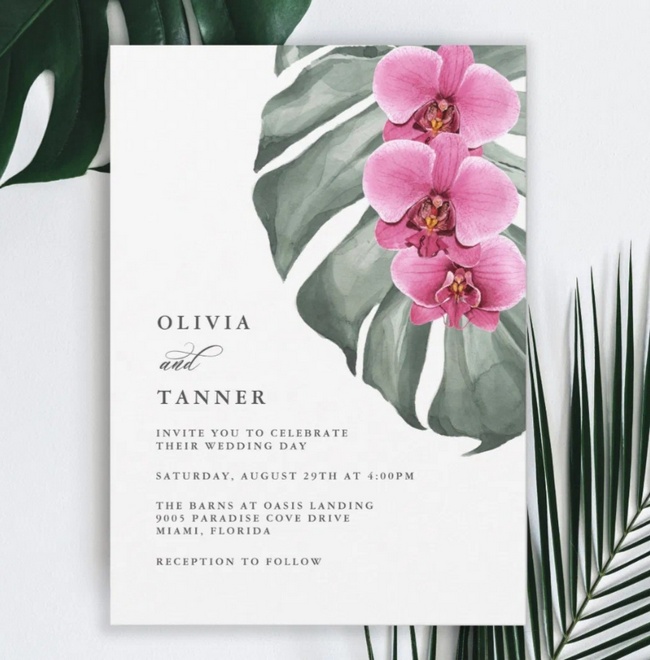
Casual and Playful Invitations
Not every wedding needs formality, some couples prefer fun, laughter, and ease. Casual wedding invitation wording is perfect for these celebrations, offering a relaxed tone that makes guests feel instantly comfortable. Instead of traditional lines, invitations might say, “We’re tying the knot, come celebrate with us!” or, “Join us for good food, good music, and great love.”
The playful style is especially fitting for outdoor weddings, beach ceremonies, backyard receptions, or destination weddings. By using humor or lighthearted phrases, couples communicate that the day will be joyful, spirited, and true to their personalities.
Casual invitations often skip formal titles and use first names only, emphasizing intimacy and friendship. Some even include inside jokes, whimsical illustrations, or informal RSVP lines like, “Can’t wait to dance!” The beauty of playful wording lies in its authenticity. Guests sense that the couple values joy above tradition, and they arrive ready to celebrate in the same spirit.
In a world where weddings can sometimes feel rigid, casual invitations remind us that at the heart of it all is love, and love should be celebrated with laughter and happiness.

Destination Wedding Invitations
For couples planning to marry abroad or in a unique location, destination wedding invitation wording is a chance to blend excitement with information. These invitations must balance romance with clarity, ensuring guests know the details of travel, timing, and logistics. A phrase like, “Pack your bags and join us under the Caribbean sun as we say ‘I do,’” instantly conveys both the setting and the spirit of adventure.
Destination weddings often require additional inserts or details cards, but the invitation itself should set the tone. The wording can be playful, poetic, or formal depending on the couple’s vision, but it must emphasize location and dates clearly.
This type of invitation is also an opportunity to build anticipation, guests will immediately begin imagining the joy of celebrating in a faraway place. Whether on a beach, in a historic city, or at a mountain retreat, destination wording should carry a sense of journey and togetherness. It’s not just an invitation to a wedding; it’s an invitation to create memories in a setting that reflects the couple’s adventurous hearts. Guests will cherish the experience from the moment they open the envelope.
Eco-Friendly and Conscious Language
As sustainability becomes more important, many couples choose eco-friendly wedding invitation wording that reflects their values. These invitations often highlight the couple’s love for the planet while maintaining elegance and romance. Phrases like, “In celebration of love and nature, we invite you to join us…” set the tone beautifully.
Couples may also include notes about digital RSVPs, recycled paper, or requests for eco-conscious attire and travel. The wording itself can lean toward earthy and poetic, drawing inspiration from nature. For example, “With the wind as witness and the trees as our guests, we begin our forever.” Eco-friendly invitations are especially fitting for outdoor weddings, rustic barns, or garden celebrations. They allow couples to weave environmental responsibility into their love story while still honoring tradition.
Choosing conscious language not only reflects personal values but also inspires guests to participate in the celebration mindfully. These invitations show that love and sustainability can coexist harmoniously, and that the choices made for a wedding can leave a positive imprint on both hearts and the planet. Eco-friendly wedding invitations truly speak love, for each other and for the world around us.
Blended Cultures and Bilingual Invitations
When couples come from different cultural or linguistic backgrounds, wedding invitation wording becomes a beautiful opportunity to honor heritage. Bilingual or blended invitations often include text in two languages, ensuring all guests feel included. For example, one side may be written in English and the other in Spanish, or the text may alternate within the same card. This thoughtful choice reflects respect for family traditions and inclusivity, making everyone feel welcome.
The wording itself can also reflect cultural expressions of love, such as including proverbs, blessings, or traditional phrasing unique to each heritage. Couples may also incorporate cultural symbols, motifs, or colors into the design, aligning visual and textual elements. These invitations carry deeper meaning than just logistics, they represent the union of not only two people but also two worlds. Guests who see their language or culture acknowledged will feel valued and embraced.
In today’s increasingly diverse weddings, blended and bilingual invitations stand as powerful reminders that love transcends language and culture. The wording becomes a bridge, uniting families and friends across backgrounds in celebration of one beautiful love story.
Personalized Storytelling Invitations
Some couples use wedding invitation wording as a canvas to tell their story. Instead of a structured format, the invitation unfolds like a narrative, allowing guests to read about how the couple met, their journey together, or why a particular location is special. A line such as, “From a first date at a little coffee shop to forever under the stars, we invite you to join us…” immediately draws guests into their story.
Storytelling invitations are intimate, engaging, and unforgettable. They give a sense of personality, humor, and romance that reflects the couple authentically. These invitations may not follow etiquette rules strictly, but they connect deeply with guests by offering a glimpse into the love behind the celebration.
Storytelling works beautifully for small weddings, rustic gatherings, or any couple who values individuality over tradition. While still sharing key details, time, date, and place, the narrative approach turns an invitation into something more, a memory, a keepsake, a love story written on paper. By choosing storytelling, couples remind guests that their wedding isn’t just an event but the next chapter in a lifelong adventure.
Final Thoughts
In the end, wedding invitation wording should reflect more than etiquette, it should reflect love. Every couple has a unique voice, and the words chosen for the invitation are the first chance to share that voice with guests. Whether traditional or modern, poetic or playful, family-centered or eco-friendly, the right wording communicates both information and emotion.
Invitations serve not only as logistical guides but also as keepsakes, treasured long after the celebration. They are the first glimpse guests have into the tone, values, and beauty of the day. No matter which style resonates, the most important element is authenticity.
Couples should choose words that feel natural to them and meaningful to their journey. When love is at the heart of the wording, guests can feel it instantly. A wedding invitation, after all, is more than an announcement, it is a love letter to family, friends, and the future. By letting your words speak love, you create not only an invitation but also an unforgettable beginning to the celebration of your forever.