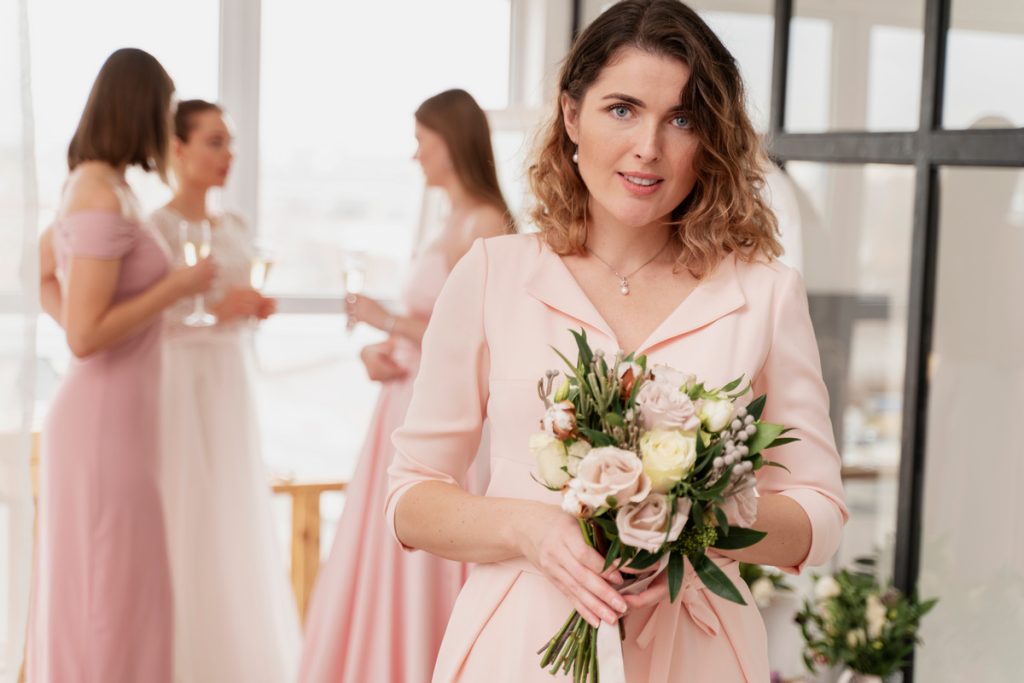
Mother of the Bride Dress Etiquette
When it comes to weddings, mother of the bride dress etiquette is a tradition that carries more significance than many expect. The bride’s mother holds a unique place in the celebration, she is both a cherished family figure and an important part of the wedding’s visual presentation. Her attire reflects elegance, respect, and unity with the event’s overall style.
Choosing the right dress is not just a matter of personal taste; it involves understanding time-honored guidelines that have been refined over decades. The right choice blends sophistication with appropriateness, ensuring her look complements rather than competes with the bride’s gown. Key considerations include selecting a flattering color that works with the wedding palette, determining the right length for the formality of the event, and coordinating with other key family members, especially the mother of the groom, to avoid clashes in style or tone.
Ultimately, the goal is to create a look that makes the mother of the bride feel beautiful, confident, and perfectly suited to her role. By balancing tradition with personal style, she can step into the spotlight with grace while supporting her daughter’s most memorable day.

Understanding the Role of the Mother of the Bride
The mother of the bride holds a deeply symbolic and visible position in a wedding. Beyond her emotional importance, she plays a part in shaping guests’ first impressions of the day. Often, she greets relatives, assists the couple, and helps manage certain details before and during the ceremony. Because of this prominent role, her appearance should convey dignity, warmth, and style.
Dress etiquette for the mother of the bride is not about limiting her choices, but about guiding them toward a harmonious balance with the wedding’s theme and formality. Traditionally, she selects her outfit after the bride chooses her gown, ensuring her style complements but does not match it. This timing also allows her to coordinate with the mother of the groom to avoid duplicating colors or styles. While her dress should reflect her personality, it must also respect the overall tone of the day.
Whether the wedding is formal, casual, or somewhere in between, the mother of the bride’s attire should feel intentional and polished. By honoring her role with a carefully chosen outfit, she not only looks her best but also reflects the love and support she offers her daughter during one of life’s most memorable milestones.

Color Etiquette: What to Wear and Avoid
Color selection is one of the most important aspects of dress etiquette for the mother of the bride. Traditionally, white, ivory, and champagne shades are avoided so as not to compete with the bride’s gown. While black was once frowned upon due to its association with mourning, it has become an elegant choice for evening and formal weddings when styled appropriately.
Jewel tones like emerald, sapphire, or ruby bring richness and sophistication, while soft pastels offer a fresh and romantic feel for spring and summer celebrations. Autumn and winter weddings often call for deeper, warmer shades such as burgundy, navy, or forest green. The key is to coordinate with the wedding’s overall color palette and theme.
Many mothers choose to subtly match elements from the bridal party’s attire, without wearing the exact same color. For example, if bridesmaids wear dusty blue, the mother of the bride might choose a complementary silver-blue or navy. This creates a cohesive look in photographs without appearing overly coordinated.
Ultimately, color etiquette is about blending elegance with thoughtful coordination, ensuring the mother of the bride’s dress enhances the beauty of the day while allowing the bride to remain the center of attention.

Coordinating with the Mother of the Groom
An often-overlooked part of proper mother of the bride dress guidelines is ensuring harmony with the mother of the groom’s attire. Traditionally, the mother of the bride selects her dress first, then informs the mother of the groom so she can choose something complementary. This isn’t about matching exactly, but rather about avoiding clashing colors, duplicate designs, or mismatched levels of formality.
If possible, arranging a shopping trip together can turn the process into a fun bonding experience. This collaboration ensures that both mothers look coordinated in family photographs, which will be treasured for years to come. If shopping together isn’t possible, a simple phone call or sharing a photo of the chosen dress works just as well.
It’s also wise to discuss accessories, such as whether one will wear a statement hat or if both prefer more understated pieces. The goal is to maintain individuality while presenting a united and polished appearance. When the mothers work together, it not only strengthens family bonds but also contributes to the visual harmony of the event. This thoughtful approach shows respect for each other’s role and creates an atmosphere of warmth, cooperation, and elegance on the wedding day.

Considering the Wedding Venue and Season
The wedding’s location and time of year play a significant role in deciding what the mother of the bride should wear. A summer garden ceremony calls for lighter fabrics such as chiffon, silk, or lace in airy, pastel tones. In contrast, a winter ballroom reception may invite rich fabrics like velvet, satin, or brocade in deep, luxurious shades.
Beach weddings typically favor shorter hemlines, breathable fabrics, and softer colors that match the relaxed yet elegant setting. Church weddings often lean toward modest cuts, perhaps with sleeves or a coordinating jacket, while outdoor rustic celebrations allow for more relaxed and nature-inspired styles.
Seasonality also affects accessories, a summer wedding might call for a wide-brimmed hat and open-toe shoes, while a winter celebration could feature a faux-fur stole or elegant shawl. By aligning the dress with both the venue’s atmosphere and the season’s mood, the mother of the bride ensures her look feels intentional and comfortable. This attention to detail not only enhances her personal style but also ensures she fits seamlessly into the wedding’s aesthetic, adding to the overall beauty and flow of the day.
Dress Length and Formality Guidelines
The length of the mother of the bride’s dress should reflect the formality of the wedding. For black-tie or formal evening events, floor-length gowns are a timeless and elegant choice.
Semi-formal or afternoon weddings allow for tea-length or midi dresses, while casual yet refined ceremonies may accommodate well-tailored knee-length styles. While short dresses can be stylish, they should never feel too casual or cocktail-like unless the setting calls for it.
The fabric also plays a role in perceived formality, satin, silk, or velvet suggest a more formal tone, while chiffon and crepe offer a softer, less structured look. It’s essential to consider how the dress will appear in photographs, as longer gowns often create a graceful, elongating effect. If unsure, leaning toward a slightly more formal option is safer, as overdressing is more acceptable than appearing underdressed.
Comfort should also guide the choice, especially for a day filled with standing, greeting guests, and possibly dancing. By matching dress length and formality to the wedding’s tone, the mother of the bride ensures her outfit supports the event’s elegance while allowing her to move and interact with confidence throughout the day.
Balancing Personal Style with Tradition
While etiquette offers valuable guidelines, the mother of the bride should still feel authentically herself in her chosen outfit. Striking the right balance between tradition and personal style allows her to feel confident and comfortable without stepping outside the bounds of wedding formality. For those with a modern aesthetic, sleek silhouettes, clean lines, and minimalist details can feel fresh yet refined.
Mothers who prefer a classic approach might opt for timeless A-line shapes, delicate lace, or subtle embellishments. Color choice, fabric, and accessories can all be adjusted to suit her personality while still aligning with the wedding’s aesthetic. It’s also important to consider the bride’s vision, some brides may request a specific color family or style, while others give full creative freedom.
Incorporating sentimental touches, such as a piece of heirloom jewelry or a meaningful fabric wrap, can make the look even more special. The key is ensuring that the outfit respects the occasion’s significance while showcasing the mother of the bride’s unique elegance. A well-balanced approach allows her to feel radiant and true to herself while honoring the traditions that make wedding attire so meaningful.
Accessorizing with Elegance
Accessories are the finishing touches that bring the mother of the bride’s look together. The right shoes, jewelry, and handbag can elevate even the simplest dress into a polished ensemble.
Comfort should be a priority, especially when it comes to footwear, stylish low heels, wedges, or dressy flats are ideal for long events. Jewelry should enhance rather than overpower the outfit, pearls, delicate chains, or subtle gemstones work beautifully for most weddings.
For outdoor or daytime ceremonies, a sophisticated hat or fascinator can add charm and personality, while for evening celebrations, a sparkling clutch or shawl might be the perfect accent. It’s also worth considering functional accessories, such as a lightweight wrap for cooler evenings or a matching jacket for more modest venues.
Coordination is key, accessories should complement the dress’s color and style without competing for attention. By thoughtfully selecting accessories that match both her personality and the formality of the wedding, the mother of the bride can achieve a look that feels complete, cohesive, and perfectly suited to the occasion.
Hairstyles and Makeup for the Occasion
Hair and makeup choices are just as important as the dress itself when creating a polished mother of the bride look. Professional styling is often worth the investment to ensure that hair and makeup last throughout the ceremony, reception, and photographs.
Hairstyles should complement the dress neckline and overall formality, soft waves or half-up styles work well for romantic settings, while elegant updos pair beautifully with high necklines or statement earrings. Makeup should highlight natural features, focusing on a radiant complexion, defined eyes, and a lip color that complements the dress.
Long-wear products are essential for enduring tears, hugs, and hours of celebration. While it can be tempting to experiment with something dramatically different, sticking with a style that feels comfortable and familiar often results in more confidence.
A trial run with a stylist before the big day can prevent surprises and ensure the look aligns with the wedding’s tone. When hair and makeup are chosen thoughtfully, they enhance the mother of the bride’s elegance and allow her to feel her best from the first guest’s arrival to the last dance of the evening.
Budget and Shopping Timeline
Planning ahead is key when selecting the perfect mother of the bride dress. Ideally, shopping should begin six to eight months before the wedding. This allows time for browsing, ordering, and any necessary alterations. It also leaves room for coordination with the mother of the groom and the bridal party’s colors.
Establishing a budget early helps narrow options and avoid unnecessary stress. While designer boutiques offer exquisite choices, department stores and reputable online retailers often provide equally elegant styles at various price points. When ordering online, always check return policies and allow enough time for exchanges if needed.
Scheduling a professional fitting ensures the dress fits perfectly and is comfortable for the full day’s events. Accessories, shoes, and undergarments should also be purchased in advance so the entire look can be tried on together. This preparation prevents last-minute rushing and ensures a relaxed, confident experience on the wedding day.
By investing time and thought into the shopping process, the mother of the bride can enjoy choosing an outfit that reflects her style, suits the occasion, and makes her feel truly special.
Avoiding Common Dress Mistakes
Even with the best intentions, certain dress choices can unintentionally break etiquette or create awkward moments. One common mistake is selecting a gown too similar in color or style to the bride’s dress, which can detract from her spotlight. Another is wearing the exact shade as the bridesmaids, making it appear as though the mother of the bride is part of the bridal party.
Overly trendy designs may also date photographs, while fabrics that cling or overly shine can be unflattering in certain lighting. Shoes that are too high or uncomfortable can quickly dampen the enjoyment of the day, especially when hours of standing and mingling are expected. Skipping coordination with the mother of the groom can result in mismatched formality levels or clashing colors in family photos.
Lastly, waiting too long to shop often leads to settling for a less-than-ideal option. Avoiding these pitfalls comes down to early planning, open communication, and focusing on timeless elegance. By sidestepping these common mistakes, the mother of the bride can ensure her attire contributes positively to the wedding’s beauty and remains a joyful memory for years to come.
Final Thoughts
Dress etiquette for the mother of the bride is more than a set of rules, it’s a thoughtful approach to celebrating one of life’s most important milestones. The right outfit honors tradition, supports the bride’s vision, and ensures the mother feels confident and beautiful. By considering the wedding’s formality, venue, season, and color palette, and by coordinating with key family members, she can choose a look that blends elegance with personal style.
Accessories, hair, and makeup complete the picture, while careful planning prevents last-minute stress. While trends may come and go, timeless choices ensure the dress will look just as lovely in photographs decades later. Above all, the mother of the bride’s attire should reflect her pride, joy, and love for her daughter on this unforgettable day.
When etiquette and individuality meet, the result is a look that not only complements the celebration but also captures the warmth and significance of her role. This balance allows her to step into the wedding with grace, knowing she has honored both the occasion and herself in equal measure.